
NARO Introduces Anti-Tick Vaccine to Protect Cattle in Apac
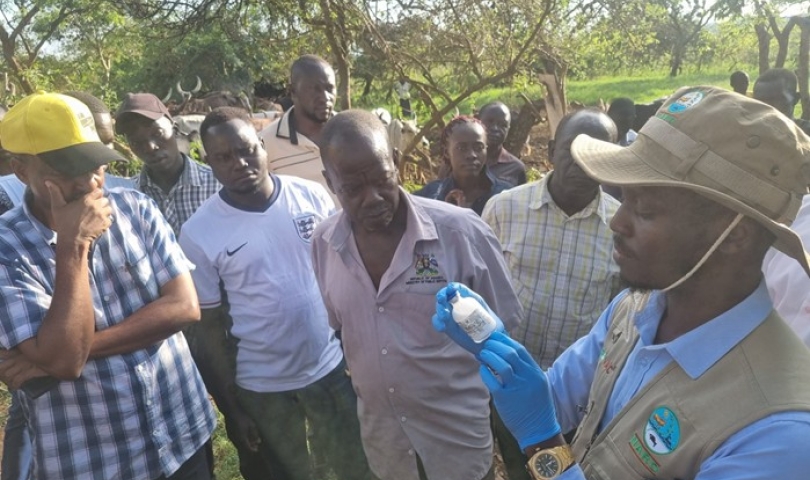
The National Agricultural Research Organisation (NARO) has partnered with Apac District Local Government to combat tick infestation and tick-borne diseases affecting cattle through the introduction of a new locally developed vaccine.
The vaccine, NAROVAC Anti-Tick Vaccine (ATV1), was officially launched during a meeting with veterinary practitioners and district leaders at the Apac District Council Hall.
According to NARO scientists, the protein-based vaccine is designed to reduce the heavy dependence on frequent chemical spraying used to control ticks, offering farmers a safer and more sustainable method of protecting livestock.
During the launch, private veterinary practitioners and assistant veterinary officers from lower local governments were trained on proper administration of the vaccine to ensure effective implementation at the community level.
Speaking at the event, Apac Chief Administrative Officer Emmy Ejuku Olaboro urged veterinary officers to guide farmers on good livestock management practices to prevent disease outbreaks.
“Protecting livestock from diseases is critical for improving farmers’ livelihoods and ensuring stable household incomes,” Olaboro said.
The Deputy Resident District Commissioner, Richard Kar Tabaaro, welcomed the innovation and commended NARO for developing a locally manufactured veterinary solution.
He noted that producing veterinary vaccines within Uganda will reduce reliance on chemical treatments while strengthening the country’s agricultural sector.
“This innovation will help farmers protect their animals while reducing excessive use of chemicals that may affect the environment,” Tabaaro said.
The District Veterinary Officer, Dr. David Nelson Okello, demonstrated the vaccination process during the meeting, showing veterinary officers and farmers how the vaccine is administered to cattle.
Officials say the partnership between NARO and Apac District is expected to strengthen sustainable livestock farming, reduce losses caused by tick-borne diseases, and improve household incomes among cattle farmers in the district.