Background Information
District Leadership
District Overview
  Education
  Health
  Agriculture
Oppotunities
  Potential
  Facilities
  Comparative advantage
  Statistics
  Infrastructure
  Economic activities
District activities
NGOs in Apac
Commodity Supply & Prices
District Contacts
Feedback


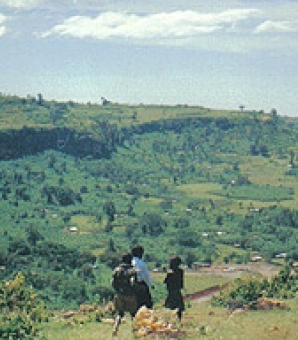
Apac covers an area of 6684 sq km and in terms of altitude it lies between 1,350 and 1,500 metres above sea level.
Click to view District Map

Neighbours

Apac district lies in the northern part of Uganda, sharing borders with Pader to the immediate north, Gulu district to the north west, Kitgum in the north east, Masindi to the West, Lira to the East and Nakasongola in the South.

Click for more.

Apac At a Glance

Weather

Apac receives an average rainfall of 13,500 mm and an average temperature of 27 degrees centigrade.

Population

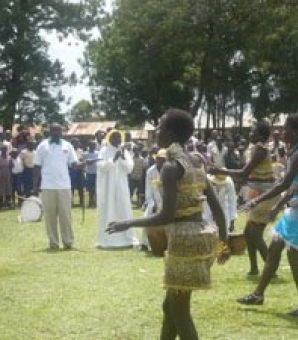
98 per cent of the population is Langi, making it more or less a homogenous society. The district was a part of the greater Lango district split into Apac and Lira districts in 1974. Luo is the main language spoken in the district.

The population growth rate in the district over the period between 1991 to 2002 averaged 3.41 percent. By 1969, the district had a population of 225,413, 1980 (313,333), 1991 (454,504) and in 2002 (676,244).

Infrastructure

There is 623 kilometres of murram road, 98 of tarmac and 17 kilometres of railway. There is no established nautical mileage available and no airfield is available.

Uganda Commercial Bank is the only bank serving the district. The majority of the population also uses the services of UCB and Centenary Rural development banks in Lira town.
Click to read more

The district has 42 health centres divided into health centres one to five, in accordance with their capacity and capabilities. Of these, 33 are government aided, seven run by Non Government Organisations and at least one community owned.

There are a total of 13 clinics, 10 maternity homes and three drug shops registered. At least, 24 percent of the total population live five kilometres away from a health unit – the distance given as reflecting a minimum good, health delivery.

48.7 percent of the population has access to safe drinking water, while the latrine coverage is 51.7 percent.

Click for more

There are 275 registered primary schools operating in Apac, 21 secondary schools and six tertiary institutions. The district also has six nursery schools registered with the education office.

As a result of the Universal Primary Education program, school enrollment has shot up tremendously, although the girl drop-out rate still remains high.

A district officials says: “Gross Enrolment Rate is very high with UPE now in place. However, education quality is very miserable. Besides, there is high girl-child drop out rate in upper primary attributed mainly to cultural bias and rampant poverty”.

Click for more

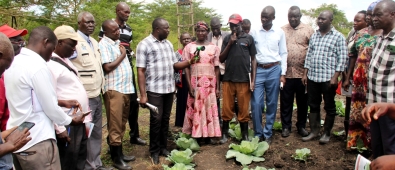
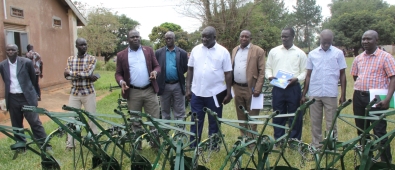
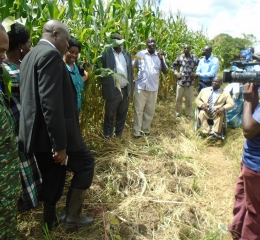
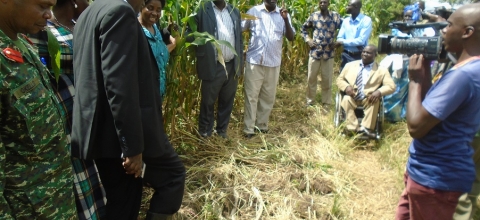
Agriculture contributes the bulk of the district’s economic activities. The main crops are cotton, tobacco, maize, beans, simsim, cassava, potatoes, sunflower and ground nuts.

District figures show that 80 percent of Apac’s residents are engaged in subsistence farming but 75 percent of the actual work id done mainly by women.

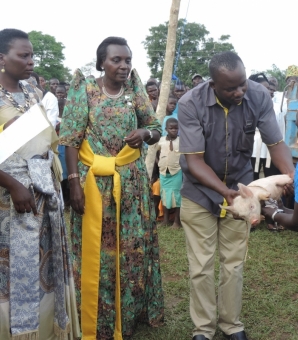
Livestock was once the dominant agricultural item until it was almost wiped out by rustling in the late 1980s.

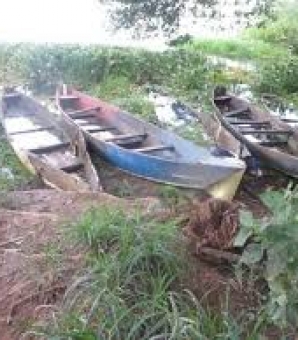
Fishing is a growing occupation especially on Lake Kwania, while fish farming is also on the rise in Kole county.

Click for more

DIP © 2003 Uganda Communication Commission (UCC) | + | Site Powered by Uganda Home Pages Ltd.